


Why does smoking or vaping stain teeth?
06
Jul
Why does smoking or vaping stain teeth?
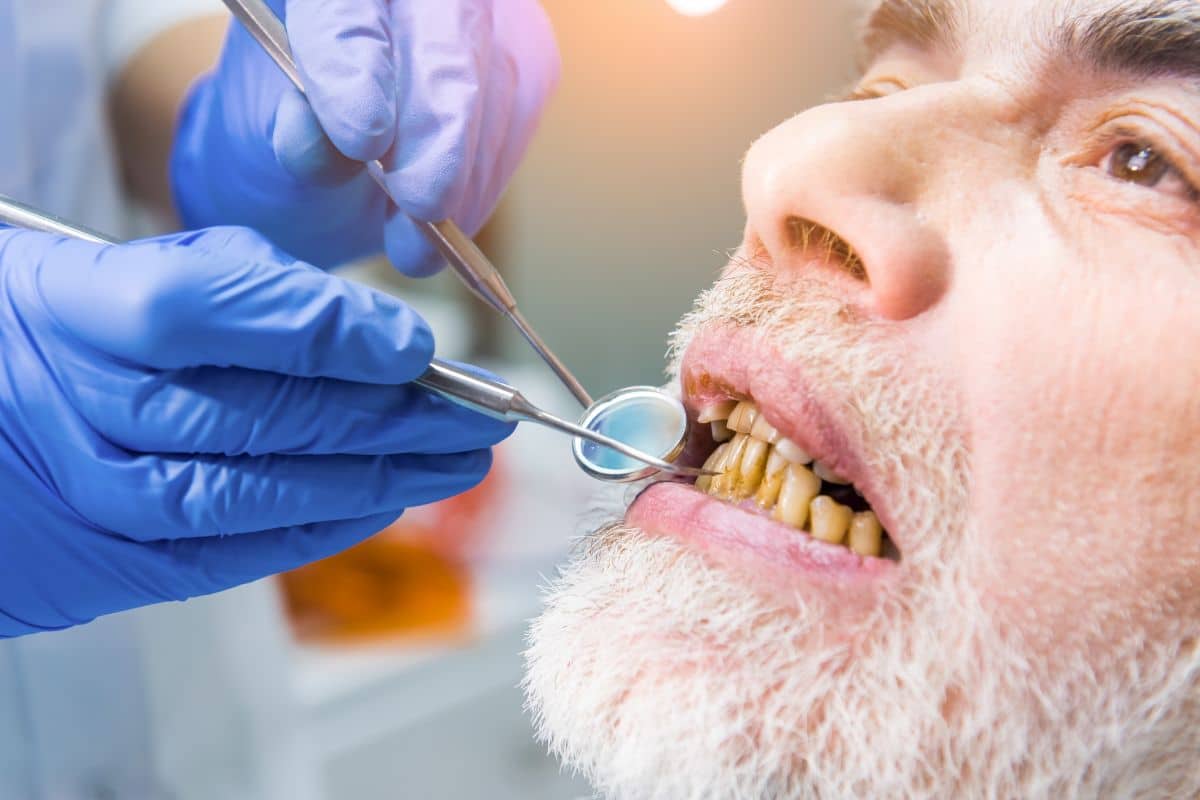
Maintaining a bright smile can become more challenging when smoking or vaping is part of your daily routine. In Costa Mesa, many people are surprised to learn that tobacco products and e-cigarettes can affect not only the color of their teeth but also their overall oral health. While stains may develop gradually, they can become more noticeable over time. Understanding why smoking and vaping cause discoloration can help you make informed decisions about protecting your smile.
How Smoking Causes Tooth Stains
Traditional cigarettes contain tar and nicotine, two substances that contribute significantly to tooth discoloration. Tar is naturally dark and can cling to the outer surface of teeth. Nicotine, although colorless on its own, turns yellow or brown when exposed to oxygen.
Over time, these substances penetrate tiny pores in the enamel, making stains more difficult to remove with regular brushing. Frequent smoking can cause teeth to appear yellow, brown, or even gray, depending on the duration and intensity of tobacco use.
Surface Stains Can Become Deep Stains
Initially, smoking creates stains on the enamel surface. If smoking continues, the discoloration can penetrate deeper into the tooth structure, making professional treatment more beneficial for improving your smile’s appearance.
Can Vaping Also Discolor Teeth?
Many people assume vaping is harmless for dental appearance because it does not contain tar like traditional cigarettes. However, vaping may still contribute to tooth discoloration. Certain vape liquids contain nicotine, artificial coloring, and other ingredients that can gradually stain teeth.
Patients often ask a cosmetic dentist in Costa Mesa whether vaping affects smile aesthetics. While vaping may stain teeth differently from smoking, nicotine can still contribute to yellowing over time. Additionally, vaping may reduce saliva production, creating a dry mouth that allows stain-producing particles and bacteria to remain on teeth longer.
Dry Mouth Increases Staining Risks
Saliva naturally helps wash away food particles, bacteria, and pigments that collect on teeth. When the mouth becomes dry, stains may develop more easily, increasing the risk of plaque buildup and bad breath.
Smoking and Vaping Affect More Than Tooth Color
Discoloration is only one of the oral health concerns associated with smoking and vaping. Tobacco use may contribute to gum irritation, delayed healing, persistent bad breath, and increased plaque accumulation. These factors can affect both the appearance and health of your smile.
Routine dental cleanings help remove many surface stains before they become more noticeable. In some situations, cosmetic treatments may also improve discoloration that cannot be removed through brushing alone.
Professional Care Helps Maintain a Brighter Smile
Professional cleanings remove hardened plaque and many external stains that daily brushing cannot eliminate. Cosmetic procedures such as professional whitening may further improve the appearance of teeth affected by smoking or vaping, depending on the type and severity of discoloration.
If you’re concerned about stained teeth, visit our dental office in Costa Mesa to discuss treatment options that can help restore a brighter smile while supporting your overall oral health.
Tips to Reduce Tooth Staining
Reducing or quitting smoking and vaping remains one of the most effective ways to limit future discoloration. Drinking water after using tobacco products, maintaining consistent brushing and flossing habits, and scheduling routine dental cleanings can also help minimize stain buildup.
Using a whitening toothpaste may assist with minor surface stains, although professional treatment is often needed for deeper discoloration.
Smoking and vaping can gradually stain teeth while affecting several aspects of oral health. Nicotine, tar, dry mouth, and plaque buildup all contribute to discoloration that may become increasingly difficult to remove over time. Fortunately, healthy daily habits and professional dental care can help improve your smile and reduce future staining.
If smoking or vaping has affected the appearance of your teeth, contact us today to schedule a consultation and discuss options for restoring a brighter, healthier-looking smile.
FAQs
1. Why does smoking turn teeth yellow?
Nicotine and tar attach to tooth enamel, causing yellow or brown discoloration over time.
2. Can vaping stain teeth like cigarettes?
Yes. Nicotine and certain vape ingredients may contribute to tooth discoloration and dry mouth.
3. Are smoking stains permanent?
Some surface stains can be removed professionally, while deeper stains may require cosmetic treatment.
4. Does brushing remove smoking stains?
Brushing helps reduce surface buildup but usually cannot eliminate long-term tobacco stains.
5. Can professional teeth whitening remove tobacco stains?
Many tobacco stains respond well to professional whitening, depending on their depth and severity.
6. Does smoking affect gum health?
Yes. Smoking may contribute to gum irritation, delayed healing, and other oral health concerns.
7. How can I prevent future tooth stains?
Reducing tobacco use, practicing daily oral hygiene, drinking water regularly, and scheduling routine dental visits can help limit new stains.
Share this Article

Dr. Thomas

Dr. Christina

Dr. Tim

Dr. Pravay
Having earned his undergraduate degree in biology from Loyola Marymount University and his Doctor of Dental Surgery from Georgetown University, Dr. Thomas Rolfes has been providing dental care from his Costa Mesa location since 1984. He holds a Fellowship from the Academy of General Dentistry, among memberships from many prestigious organizations. Dr. Christina Do, specializing in laser dentistry, and Dr. Timothy Rolfes, whose passion is community dentistry, also comprise the team, including skilled hygienists, dental assistants, and administrative staff dedicated to helping people in the area fulfill their dental needs. The new addition to our family, Dr. Pravay Padia, brings with him over 10 years of experience in the dental field, with expertise in endodontics and cosmetic dentistry.


