

Why Baby Teeth Matter for Your Child’s Permanent Smile?
20
Oct
Why Baby Teeth Matter for Your Child’s Permanent Smile?
Your kid has a wobbly tooth, a tiny cavity, or maybe just a bit of staining on a front tooth. And somebody a relative, a friend, maybe even you at 2 a.m.- says it: “Eh, it’s just a baby tooth. It’ll fall out anyway.”
Sounds logical. Totally wrong, though. Baby teeth do way more than most parents realize, and what happens to them can shape how your child’s adult teeth come in, how they talk, how they eat, and even how they feel about smiling. So let’s talk about why those little teeth deserve real attention.
Baby Teeth Aren’t Just Placeholders
Okay, yes, they’re temporary. Kids have 20 baby teeth, which start showing up around six months and usually all arrive by age three. Then, somewhere around age six, they begin to fall out, and the last ones often stay put until ages 10 to 12.
But “temporary” doesn’t mean “unimportant.” Think of baby teeth as a construction crew working before the main building goes up. They do real jobs, and when they’re missing or damaged too soon, the whole project can run into trouble. A good pediatric dentist in Costa Mesa will explain why baby teeth matter. Especially since many parents may not have learned this when they were growing up.
6 Reasons Baby Teeth Matter
1. They Save Space for Adult Teeth
This is the big one. Each baby tooth acts like a placeholder, holding the exact spot where a permanent tooth will later erupt. Lose one too early, say to a cavity or an injury, and neighboring teeth can drift into that gap. When the adult tooth finally arrives, there’s no room left. Result? Crowding, crooked teeth, and sometimes braces that could’ve been avoided or shortened.
2. They Guide Permanent Teeth Into Place
Beneath those baby teeth, adult teeth are already forming in the jawbone. The roots of baby teeth gradually dissolve as the permanent teeth push up, and the baby tooth’s position helps steer the new one in the right direction. Mess with that process, and adult teeth may come in tilted, twisted, or in the wrong spot entirely.
3. They Help Your Child Chew and Eat Well
Kids need good nutrition to grow, and chewing is part of that. A painful or missing tooth can make eating tougher, so your child might avoid crunchy fruits, veggies, or meats. Over time, that can limit what they eat. Healthy baby teeth make chewing comfortable, and comfortable chewing supports healthy eating habits.
4. They Support Clear Speech
Teeth help shape sounds. Letters like “s,” “th,” and “f” depend on the tongue touching or passing near the teeth. If a child loses front teeth too early, speech can be affected for a while. Most kids adapt, but protecting those teeth helps language develop more smoothly during the years when it matters most.
5. They Protect Against Pain and Infection
Here’s where it gets serious. A cavity in a baby tooth can reach the nerve, cause an abscess, and spread infection. That means pain, swelling, missed school, and sometimes emergency visits. An infection in a baby tooth can even damage the adult tooth developing underneath it. So no, “it’ll fall out anyway” doesn’t make decay harmless, and any pediatric dentist in Costa will tell you the same.
6. They Build Confidence and Healthy Habits
Kids notice smiles, their own and everyone else’s. A child embarrassed by decayed or missing teeth might hide their smile or avoid joking around with classmates. On the flip side, regular care early on teaches habits that carry into adulthood, from brushing and flossing to seeing the dentist without fear.
The Most Common Threat: Early Childhood Cavities
Cavities in young kids are a lot more common than people think. They’re also pretty preventable. The usual culprits? Sugary drinks, juice in a bottle or sippy cup all day, bedtime bottles with anything besides water, sticky snacks, and brushing that’s rushed or skipped.
Baby teeth have thinner enamel than adult teeth, so decay can move quickly. A tiny white or brown spot today might turn into a real cavity within months. That’s one big reason to book a first visit by your child’s first birthday or within six months of their first tooth, whichever comes first. A pediatric dentist in Costa Mesa, CA can spot early trouble before your child ever feels it.
What Happens When a Baby Tooth Is Lost Too Soon?
Sometimes it’s an accident. Sometimes it’s decay. Either way, losing a baby tooth early, especially a back molar, can cause problems. Nearby teeth shift, the space closes up, and the adult tooth underneath may get blocked or come in crooked.
In some cases, a dentist places a small space maintainer, a simple device that keeps the gap open until the permanent tooth is ready. It’s not a big deal, and it can save a lot of orthodontic headaches later. If your child loses a baby tooth earlier than expected, call your dentist and ask. A pediatric dentist in Costa Mesa can tell you quickly whether a space maintainer makes sense.
How to Protect Your Child’s Baby Teeth
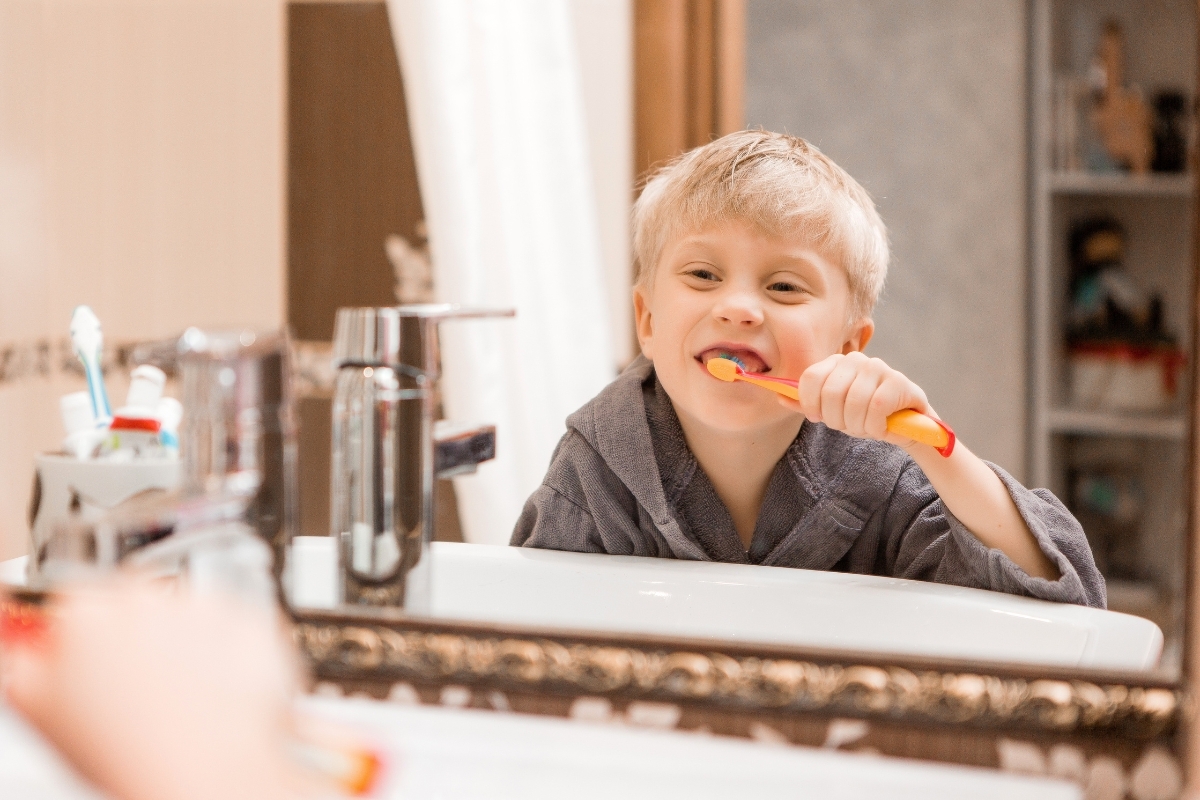
Start cleaning early. Even before teeth appear, wipe your baby’s gums with a soft, damp cloth. Once teeth show up, brush twice a day with a tiny smear of fluoride toothpaste, about the size of a grain of rice, until age three, then a pea-sized amount. Floss once two teeth touch. Cut back on sugary drinks and snacks, and offer water between meals. Never put your baby to bed with a bottle of milk or juice.
And keep up with dental visits, usually every six months. Regular checkups let a pediatric dentist in Costa Mesa catch problems early. An expert will apply fluoride or sealants if needed, and coach your child on better habits.
FAQs: Frequently Asked Questions
1. Do cavities in baby teeth really need to be filled?
Usually, yes. Untreated decay can cause pain and infection, and it can affect the permanent tooth growing underneath. Your dentist will recommend what’s best based on how deep the decay is and how soon the tooth is due to fall out.
2. When do baby teeth start falling out?
Most kids lose their first tooth around age six, often a lower front tooth. The process continues until about age 12, when most baby teeth have been replaced.
3. Is it normal for a baby tooth to be loose before it falls out?
Completely. A wiggly tooth means the root is dissolving and the adult tooth is getting ready. If it’s loose but your child is very young, or if it comes out after an injury, call your dentist.
4. What if my child’s adult tooth comes in behind a baby tooth?
That happens, especially with lower front teeth. If the baby tooth doesn’t loosen within a few weeks, your dentist may need to help it along.
5. How do I find a pediatric dentist in Costa Mesa?
Look for a practice with experience treating kids, a warm, patient team, and good reviews from other parents. A short visit to meet the staff can tell you a lot about whether your child will feel comfortable.
Give Your Child’s Smile the Best Start
Baby teeth may be small and temporary, but their job is big. They hold space, guide adult teeth, support eating and speaking, and set the tone for lifelong dental habits. Caring for them now makes a real difference later. Contact us or visit our office at 1530 Baker Street, Suite J, Costa Mesa, CA 92626. Let’s help your child’s smile grow strong.
Share this Article

Dr. Thomas

Dr. Christina

Dr. Tim

Dr. Pravay
Having earned his undergraduate degree in biology from Loyola Marymount University and his Doctor of Dental Surgery from Georgetown University, Dr. Thomas Rolfes has been providing dental care from his Costa Mesa location since 1984. He holds a Fellowship from the Academy of General Dentistry, among memberships from many prestigious organizations. Dr. Christina Do, specializing in laser dentistry, and Dr. Timothy Rolfes, whose passion is community dentistry, also comprise the team, including skilled hygienists, dental assistants, and administrative staff dedicated to helping people in the area fulfill their dental needs. The new addition to our family, Dr. Pravay Padia, brings with him over 10 years of experience in the dental field, with expertise in endodontics and cosmetic dentistry.


