


How Missing Teeth Can Affect Jawbone Health?
14
Aug
How Missing Teeth Can Affect Jawbone Health?
Lost a tooth and figured, eh, it’s not a big deal? You’re not alone. A lot of people wait years before doing anything about a gap, especially if it’s a back tooth nobody sees. But here’s the part most folks don’t realize: the damage doesn’t stop at the gap. It keeps going, quietly, underneath the gum line, long after the tooth is gone.
We’re talking about your jawbone. And once it starts shrinking, it doesn’t just grow back on its own. That’s why so many patients eventually end up looking for dental implant experts in Costa Mesa dentists. Not just to fill a gap, but to actually stop the bone loss before it spreads further. Let’s break down what’s really happening under the surface.
Why Losing a Tooth Affects More Than Just Your Smile
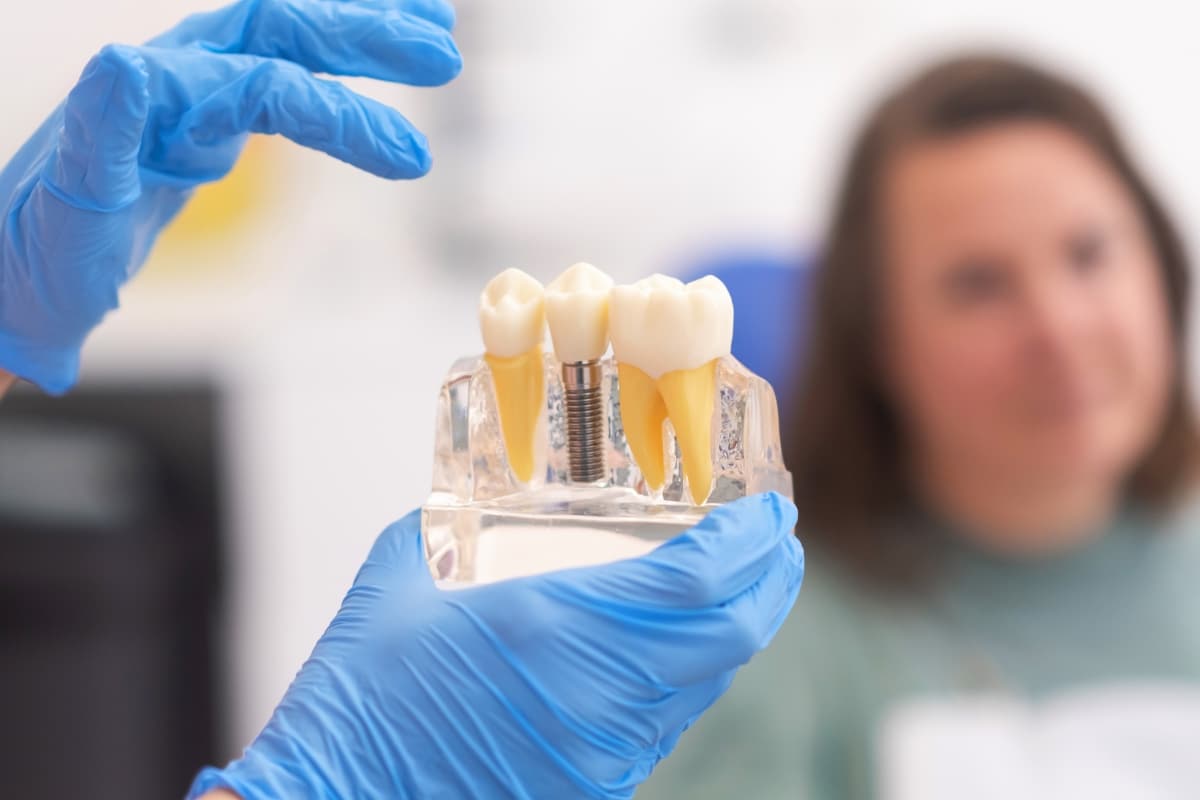
Your jawbone isn’t just sitting there holding your teeth in place. It’s living tissue, and it needs stimulation to stay strong, kind of like a muscle. Every time you chew, the pressure travels down through the tooth root and into the bone, which tells your body “hey, keep this area strong.” Take the tooth out, and that signal disappears. No root, no stimulation, no reason for the bone to maintain itself.
So what happens? The bone starts to resorb, your body slowly breaks it down and reabsorbs it elsewhere. It’s not dramatic or painful, which is part of the problem, since you don’t feel it happening. But over months and years, it adds up. That’s exactly why dentists in Costa Mesa recommend dental implants, since they replace the root and not just the visible tooth
6 Ways Missing Teeth Damage Your Jawbone Over Time
Let’s get specific. Here are six factors that explain how tooth loss chips away at your jaw health, bit by bit.
1. Bone Resorption Begins Almost Immediately
Within the first few months after losing a tooth, the bone in that area already starts to shrink. Studies show up to 25% of bone width can be lost in the first year alone. That’s fast. And it doesn’t slow down much after that, it just keeps going, gradually, for as long as the space stays empty.
2. Your Jaw Loses Its Natural Shape
Ever notice how some people who’ve lost multiple teeth seem to have a “sunken” look around their mouth or jaw? That’s not aging; that’s bone loss changing the actual structure of the face. The jaw narrows, the chin can appear to shift forward, and the whole lower third of the face starts to look different. It’s subtle at first, then suddenly it’s not.
3. Neighboring Teeth Start to Shift
Nature doesn’t like gaps. When there’s a space, nearby teeth begin drifting toward it, trying to fill the void. This throws off your bite alignment, which can lead to jaw pain, uneven wear, and even more teeth becoming loose over time. One missing tooth, left untreated, can genuinely set off a chain reaction across your whole mouth.
4. Chewing Ability and Nutrition Take a Hit
As the jaw weakens and teeth shift, chewing gets harder, especially on the affected side. A lot of patients unconsciously start avoiding certain foods (nuts, raw veggies, tougher meats) simply because chewing feels off or uncomfortable. Over time, that can actually affect nutrition, which nobody really connects back to a missing tooth, but it’s more common than you’d think.
5. Gum Tissue and Facial Support Weaken
The jawbone doesn’t just support teeth, it supports your gums, your lips, and the soft tissue around your mouth too. As bone density drops, that support structure weakens along with it. This is part of why some people notice their lips looking thinner or their cheeks appearing more hollow after losing back teeth, even if it’s not visible from the front right away.
6. Future Tooth Replacement Gets Harder
Here’s the kicker: the longer you wait, the harder it gets to fix. If bone loss progresses too far, a straightforward implant procedure might turn into something requiring a bone graft first, which means more time, more cost, and more appointments. Acting early keeps your options open. Waiting tends to close them.
Why Dental Implants Are the Go-To Fix
So why do dentists keep pointing patients toward implants instead of bridges or dentures? Simple, implants are the only replacement option that goes into the jawbone itself, mimicking a natural tooth root. That means the chewing stimulation your bone needs actually comes back, which helps stop (and in some cases even improve) further bone loss. This explains why dental implants in Costa Mesa are usually the top recommendation in these situations.
Patients considering dental implants in Costa Mesa often ask if they are really worth the investment. Honestly? When you consider what’s at stake, facial structure, chewing function, the health of neighboring teeth, it’s less about vanity and more about protecting your long-term oral health.
FAQ: Missing Teeth and Jawbone Health
1. How fast does bone loss happen after losing a tooth?
Pretty quickly, actually. A significant chunk of bone width can be lost within the first 12 months. It doesn’t stop there either, it just continues at a slower pace the longer the gap stays untreated.
2. Can bone loss from missing teeth be reversed?
Not on its own, no. Once the bone resorbs, your body doesn’t naturally rebuild it. That said, treatments like bone grafting combined with implants can restore some structure and stop further loss.
3. Do dentures prevent jawbone loss?
Not really. Dentures sit on top of the gums and don’t provide the root-level stimulation your jawbone needs. Some patients even notice their dentures fitting more loosely over time as the bone underneath continues to shrink.
4. Is it too late for implants if I’ve had a missing tooth for years?
Not necessarily, but it depends on how much bone remains. A bone graft can sometimes rebuild enough structure to support an implant, even years later. The best way to know is a quick consultation and imaging.
5. What’s the best age to get dental implants?
There’s really no upper age limit; implants work well for most healthy adults, regardless of age. What matters more is bone density and overall gum health, both of which a dentist can evaluate.
Don’t Wait Until the Gap Becomes a Bigger Problem
Look, a missing tooth might not seem urgent, especially if it’s not causing pain right now. But your jawbone doesn’t wait around for you to feel ready. Every month that gap stays empty is another month of quiet bone loss happening underneath the surface.
At Smiles4OC, we’ve helped many patients restore missing teeth before bone loss gets out of hand. Whether you’re missing one tooth or several, our team will walk you through your options to see if dental implants in Costa Mesa are the right fit for you. Get in touch with us and consult with our experts.
Share this Article

Dr. Thomas

Dr. Christina

Dr. Tim

Dr. Pravay
Having earned his undergraduate degree in biology from Loyola Marymount University and his Doctor of Dental Surgery from Georgetown University, Dr. Thomas Rolfes has been providing dental care from his Costa Mesa location since 1984. He holds a Fellowship from the Academy of General Dentistry, among memberships from many prestigious organizations. Dr. Christina Do, specializing in laser dentistry, and Dr. Timothy Rolfes, whose passion is community dentistry, also comprise the team, including skilled hygienists, dental assistants, and administrative staff dedicated to helping people in the area fulfill their dental needs. The new addition to our family, Dr. Pravay Padia, brings with him over 10 years of experience in the dental field, with expertise in endodontics and cosmetic dentistry.


