

How Can Dental Bonding Repair Chipped and Uneven Teeth?
18
Aug
How Can Dental Bonding Repair Chipped and Uneven Teeth?
Chipped a tooth on something dumb, an ice cube, a fork, your own fingernail while opening a bag of chips? It happens more than people admit. And once it happens, that little imperfection is all you can think about every time you catch your reflection. The good news? You probably don’t need anything drastic to fix it.
Dental bonding is one of those treatments that flies under the radar, but it solves a ton of everyday smile problems without the cost or time commitment of veneers or crowns. If you’ve been putting off a fix because you assumed it’d be expensive or complicated, stick with us. We break down how bonding works and why it is often the first treatment cosmetic dentists in Costa Mesa patients want to explore.
What Exactly Is Dental Bonding?
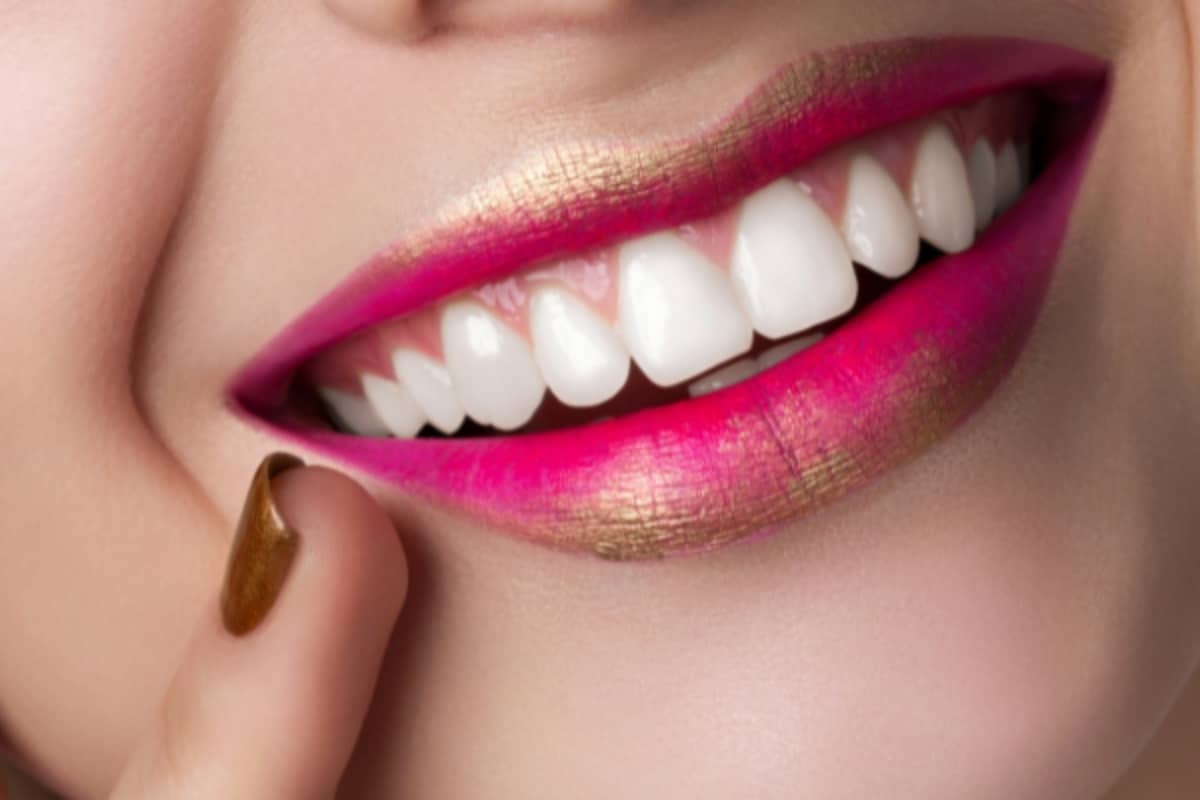
Bonding uses a tooth-colored resin material, applied directly onto the tooth and shaped by hand. The dentist sculpts it to match the natural contour of your tooth, then hardens it with a special curing light. No lab work, no waiting weeks for a custom piece to come back. It’s applied, shaped, and polished — often in a single visit.
It works great for small chips, gaps between teeth, minor cracks, and even discoloration in specific spots. It’s not meant for every situation, but for the right case, it’s one of the fastest ways to fix a smile flaw. That is why bonding is such a popular choice that most of the cosmetic dentists in Costa Mesa recommend for a quick cosmetic fix.
6 Benefits of Choosing Dental Bonding for Chipped or Uneven Teeth
Let’s get into the specifics. Here’s why bonding tends to be the first suggestion for minor tooth damage.
1. It’s Fast, Often Done in One Appointment
Unlike veneers or crowns, which typically need two visits (one for prep, one for placement), bonding is usually a single-appointment fix. You walk in with a chip, you walk out with a repaired tooth. For anyone with a busy schedule or a last-minute event coming up, that turnaround matters a lot.
2. It’s More Affordable Than Other Cosmetic Options
Bonding costs less than veneers or crowns in most cases, since there’s no lab fabrication involved. If you want a great smile on a tight budget, start here. It’s usually the first option a cosmetic dentist in Costa Mesa suggests. It’s not the cheapest possible fix out there, but for what you get, it’s a solid value.
3. It Preserves More of Your Natural Tooth
Here’s something people don’t always think about, veneers and crowns usually require removing some of your natural enamel to make room for the restoration. Bonding? Barely touches the tooth structure at all. That’s a big deal if you’re trying to keep as much of your original tooth intact as possible, which, let’s be honest, most people are.
4. The Results Look Genuinely Natural
Modern bonding resin comes in a range of shades, so it can be matched pretty closely to your existing tooth color. A skilled dentist blends the edges and shapes it so it doesn’t look like an obvious patch job. Nobody’s going to clock it as “fake” unless they’re staring at your teeth from six inches away, which, let’s be real, nobody’s doing.
5. It Fixes More Than Just Chips
Bonding isn’t a one-trick fix. It handles small gaps between teeth, uneven edges, minor rotations, and even spots of discoloration that whitening can’t touch. Got a tooth that’s just slightly shorter than the one next to it? Bonding can even that out too. It’s a surprisingly versatile little tool in a cosmetic dentist’s kit.
6. It’s Reversible and Repairable
Unlike some cosmetic treatments, bonding doesn’t permanently alter your tooth in a way that locks you in. If the material chips or wears down over time (it can happen, especially years down the line), it’s typically repaired or reapplied without much hassle. That flexibility is honestly underrated when people are weighing their options.
When Bonding Isn’t the Right Fit
Bonding is great, but it’s not for everything. Larger cracks, teeth with significant structural damage, or situations needing a full smile transformation usually call for veneers or crowns instead. Bonding material is also a bit more prone to staining over time than porcelain, so if you’re a heavy coffee or red wine drinker, that’s worth knowing upfront. A quick consultation tells you pretty fast if bonding makes sense for you. Otherwise, your cosmetic dentist in Costa Mesa will help you explore other options.
How Long Does Dental Bonding Actually Last?
With decent care, bonding typically lasts anywhere from 3 to 10 years before it needs a touch-up or replacement. That range depends a lot on your habits — nail-biting, ice-chewing, grinding your teeth at night, that kind of thing all shortens the lifespan. Regular checkups help catch wear early, before it becomes a bigger issue.
FAQ: Dental Bonding for Chipped and Uneven Teeth
1. Does dental bonding hurt?
Not really. Since bonding usually doesn’t require removing much (if any) tooth structure, most patients don’t even need anesthesia. It’s one of the more comfortable cosmetic procedures out there.
2. How much does dental bonding cost?
It varies depending on how many teeth need work and how complex the repair is, but it’s generally more budget-friendly than veneers or crowns. A consultation will give you an exact number based on your specific case.
3. Can bonding be whitened later?
Not exactly, bonding material doesn’t respond to whitening treatments the way natural enamel does. If you’re planning to whiten your teeth, it’s smart to do that first, then have bonding matched to your new, brighter shade.
4. Is bonding as strong as a crown?
No, and it’s not meant to be. Bonding works well for minor cosmetic fixes, but for teeth with major structural damage, a crown offers far more durability and protection.
5. Will my insurance cover dental bonding?
Sometimes, depending on whether it’s considered medically necessary (like repairing a chip from an injury) versus purely cosmetic. It’s worth checking with your provider, or asking the office to verify your benefits directly.
Ready to Fix That Chip or Uneven Edge?
A small chip or uneven tooth might feel minor, but it’s usually the kind of thing that bugs you every single time you catch your reflection. And honestly? Bonding is one of the easiest, quickest fixes out there, no reason to keep living with it if a same-day solution is sitting right in front of you.
At Smiles4OC, our team has helped patients throughout Costa Mesa and nearby areas repair chips, gaps, and uneven edges with natural-looking bonding. Whether it’s one tooth or a handful of small fixes, we’ll walk you through what to expect and get you smiling with confidence again. Whenever you’re ready to talk about smile repairs, our team of expert cosmetic dentists is here in Costa Mesa to help you out. Reach us today through our official website.
Share this Article

Dr. Thomas

Dr. Christina

Dr. Tim

Dr. Pravay
Having earned his undergraduate degree in biology from Loyola Marymount University and his Doctor of Dental Surgery from Georgetown University, Dr. Thomas Rolfes has been providing dental care from his Costa Mesa location since 1984. He holds a Fellowship from the Academy of General Dentistry, among memberships from many prestigious organizations. Dr. Christina Do, specializing in laser dentistry, and Dr. Timothy Rolfes, whose passion is community dentistry, also comprise the team, including skilled hygienists, dental assistants, and administrative staff dedicated to helping people in the area fulfill their dental needs. The new addition to our family, Dr. Pravay Padia, brings with him over 10 years of experience in the dental field, with expertise in endodontics and cosmetic dentistry.


