


Overall Benefits of Dental Implants for Different Age Groups
11
Sep
Overall Benefits of Dental Implants for Different Age Groups
Missing teeth don’t discriminate by age. A young adult loses a tooth in an accident. Someone in their 40s finally deals with a tooth that’s been failing for years. A grandparent’s denture just isn’t cutting it anymore. Different situations, sure, but implants show up as a solution across all of them, just in slightly different ways depending on where you’re at in life.
Let’s walk through how dental implants in Costa Mesa actually benefit people at different stages, because “replacing a missing tooth” means something a little different at 30 than it does at 70.
Quick Refresher: What Implants Actually Do
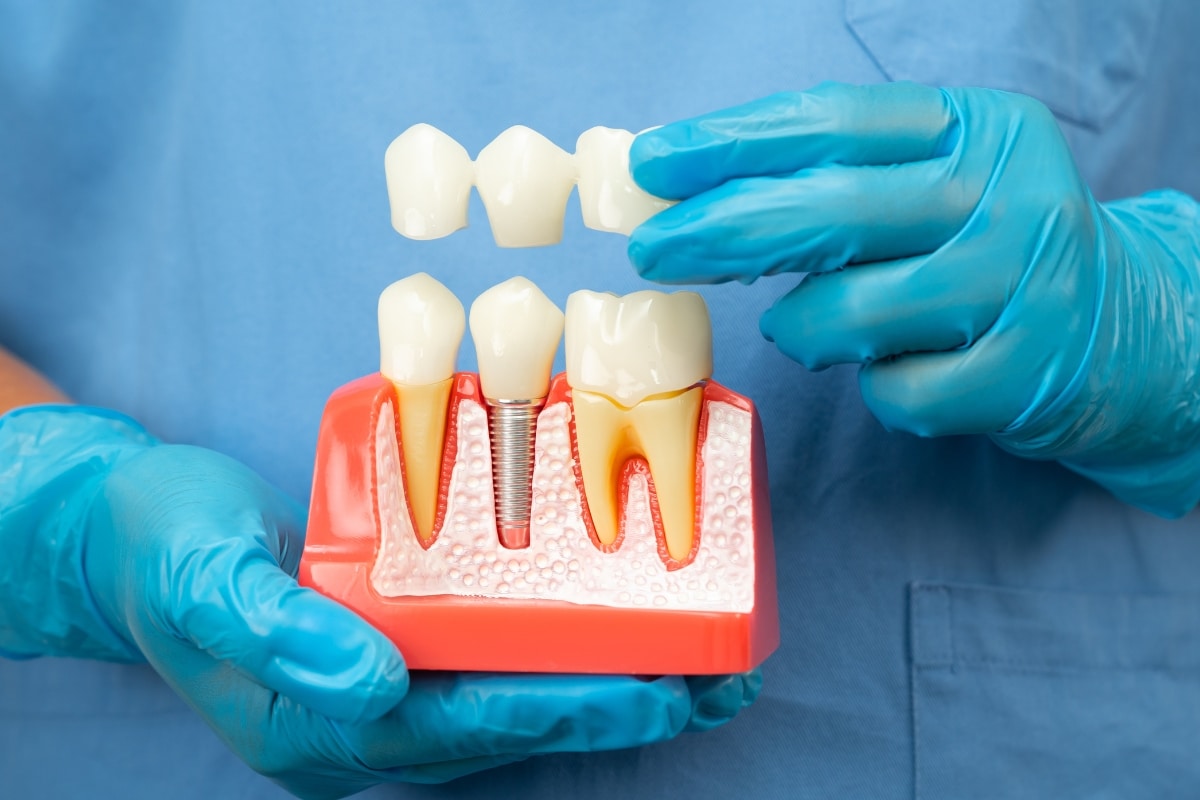
Just so we’re starting from the same page, an implant is a titanium post placed into the jawbone, which fuses with the bone over time and acts as an artificial root. A custom crown then attaches on top, functioning and looking like a natural tooth. Unlike dentures or bridges, implants don’t rely on neighboring teeth or removable pieces. They’re anchored, permanent, and built to last.
Now, here’s where age comes into the picture.
Benefits for Younger Adults (20s–30s)
A. Preventing Long-Term Bone Loss Early
When a tooth goes missing in your 20s or 30s, the jawbone underneath starts losing density almost immediately, since it no longer gets stimulated by that tooth root. Waiting years to address it means more bone loss, which can complicate treatment later. Getting an implant sooner rather than later helps preserve that bone structure right from the start.
B. Avoiding Damage to Healthy Neighboring Teeth
A big plus for younger patients specifically, implants don’t require grinding down adjacent healthy teeth, the way traditional bridges do. That matters a lot when you’ve got decades of wear ahead of you. Keeping those neighboring teeth intact and untouched is a long-term win.
C. Blending In Seamlessly, Long-Term
Younger patients often care a lot about how natural the result looks and feels, especially since they’re likely to have the implant for the rest of their life. Implants are custom-shaped and shaded to match surrounding teeth, so most people can’t even tell which tooth is the implant once it’s healed.
Benefits for Middle-Aged Adults (40s–50s)
A. Restoring Function Without Slowing You Down
This age group tends to be busy, careers, family, the whole juggling act, and dental issues tend to get pushed aside until they can’t be ignored anymore. Implants restore full chewing function without ongoing maintenance hassles like adjusting a partial denture. Once healed, you eat, talk, and go about life without thinking about it.
B. Addressing Years of Wear and Tear
By this stage, some patients are dealing with teeth that have failed after years of large fillings, cracks, or root canals that didn’t hold up. Dental implants near Costa Mesa offer a permanent fix rather than another temporary patch on an already-struggling tooth, which honestly saves money and hassle in the long run compared to repeatedly repairing a failing tooth.
C. Supporting Confidence at Work and Socially
Missing teeth in this stage of life can affect confidence in professional and social settings more than people admit. Implants restore a natural smile without the visible clasps or shifting that can come with removable options, which matters when you’re in meetings, photos, or just living your daily life without worrying about it.
Benefits for Older Adults (60s and Beyond)
A Stable Alternative to Dentures
This is probably where implants make the biggest quality-of-life difference. Traditional dentures can slip, click, or feel uncomfortable, especially over time as the jawbone continues to change shape. Implants, or implant-supported dentures, stay firmly anchored, which means no slipping while eating or talking, a genuinely big deal for daily comfort.
B. Preserving Jawbone and Facial Structure
Bone loss from missing teeth doesn’t just affect chewing; it can change facial structure over time, contributing to that sunken look sometimes associated with long-term denture wear. Implants stimulate the jawbone similarly to natural tooth roots, helping maintain facial structure rather than letting it gradually change.
C. Improving Nutrition and Overall Health
Chewing difficulty from ill-fitting dentures or missing teeth often pushes older adults toward softer, less nutritious foods, which isn’t great for overall health. Dental implants Costa Mesa patients choose in their later years restore full chewing ability, making it easier to maintain a varied, healthier diet, something that genuinely matters for overall well-being, not just dental health.
Is There an Age Where Implants Stop Being a Good Option?
Not really, as long as overall health and bone density support it. Age alone rarely disqualifies anyone from dental implants in Costa Mesa. What matters more is bone health, gum condition, and how well any existing health conditions are managed. Plenty of patients in their 70s and 80s get implants successfully, provided they’re evaluated properly beforehand.
One Thing That Stays the Same Across Every Age
Regardless of age, the biggest benefit across the board is this: implants replace what’s missing, root and all, rather than just covering the gap. That’s a meaningful difference from removable options, which only address the visible part of the problem.
FAQ: Frequently Asked Questions
Q: Is there a minimum age for getting dental implants?
A: Generally, jaw growth needs to be complete, which is usually in the late teens. Implants placed before growth finishes can shift as the jaw continues developing.
Q: Do implants work differently for older adults compared to younger patients?
A: The procedure itself is similar, but older adults may need additional evaluation for bone density and overall health before treatment.
Q: Can implants help with facial sagging from missing teeth?
A: Yes. By stimulating the jawbone the way natural roots do, implants help maintain facial structure that can otherwise change with long-term tooth loss.
Q: Are implants a good option for someone who already wears dentures?
A: Often, yes. Implant-supported dentures offer more stability and comfort than traditional removable dentures for many patients.
Q: How long do implants typically last?
A: With proper care, implants can last decades, and often a lifetime, making them a strong long-term investment at any age.
Find the Right Fit for Your Age and Needs
Whether you’re 28 and dealing with an accident, 45 and tired of patching up a failing tooth, or 68 and done fighting with dentures, implants offer a solution built around your actual life stage and needs, not a one-size-fits-all fix.
At Cielo Dental & Orthodontics, our team provides personalized consultations for dental implants in Costa Mesa, taking your age, health, and goals into account before recommending a treatment plan that genuinely fits you. Schedule your appointment today or visit our clinic at 1530 Baker St J, Costa Mesa, CA 92626, and ensure yourself a healthy smile.
Share this Article

Dr. Thomas

Dr. Christina

Dr. Tim

Dr. Pravay
Having earned his undergraduate degree in biology from Loyola Marymount University and his Doctor of Dental Surgery from Georgetown University, Dr. Thomas Rolfes has been providing dental care from his Costa Mesa location since 1984. He holds a Fellowship from the Academy of General Dentistry, among memberships from many prestigious organizations. Dr. Christina Do, specializing in laser dentistry, and Dr. Timothy Rolfes, whose passion is community dentistry, also comprise the team, including skilled hygienists, dental assistants, and administrative staff dedicated to helping people in the area fulfill their dental needs. The new addition to our family, Dr. Pravay Padia, brings with him over 10 years of experience in the dental field, with expertise in endodontics and cosmetic dentistry.


