


Your Invisalign Journey Isn’t Over: Why Retainers Are the Real Commitment
10
Nov
Your Invisalign Journey Isn’t Over: Why Retainers Are the Real Commitment
You finished your last Invisalign tray — congratulations! But here’s the truth most patients in Fountain Valley don’t expect: your Invisalign journey isn’t over. The real commitment begins after treatment ends. Retainers are what protect every result you worked so hard to achieve. Without them, your teeth can shift back faster than you think.
At Smiles4OC in Costa Mesa, Dr. Thomas Rolfes guides patients through every phase of orthodontic care. That includes the often-overlooked retention phase. This article explains why retainers matter, what happens when you skip them, and exactly how long you’ll need to wear them.
Why Retainers Are Non-Negotiable After Invisalign in Fountain Valley
Your teeth don’t stop moving the moment your aligners come out. The bone and tissue surrounding your teeth need time to stabilize. This process is called remodeling, and it takes months — sometimes longer. During this window, your teeth are at their highest risk of shifting.
Retainers hold your teeth in their new position while remodeling happens. Think of them as the finishing work after a renovation. The aligners moved everything into place. The retainer keeps it there. Skipping this step is like painting a wall but never sealing it.
Many Fountain Valley patients are surprised to learn that retention is actually a permanent commitment. It’s not just a short-term phase after treatment. Your retainer is a lifelong tool for protecting your smile investment.
What Happens to Your Teeth Without a Retainer
Teeth have a natural tendency to drift back toward their original positions. Dentists call this relapse. Without a retainer, relapse can begin within days of finishing Invisalign. The speed and degree of shifting vary from person to person, but the risk is real for everyone.
Here’s what relapse can look like over time:
- Slight crowding returns within weeks
- Gaps reappear between teeth
- Your bite alignment shifts
- Front teeth begin to overlap again
- Results from months of treatment are partially or fully lost
Relapse doesn’t just affect aesthetics. A misaligned bite can cause jaw tension, uneven wear on enamel, and discomfort. Correcting relapse often means repeating treatment. That’s a significant investment of both time and money that retainers easily prevent.
Types of Retainers and Which One Is Right for You
Dr. Rolfes typically recommends one of two main retainer types after Invisalign treatment. Each works well, but they suit different patients and lifestyles. Understanding your options helps you make the best choice for your long-term care.
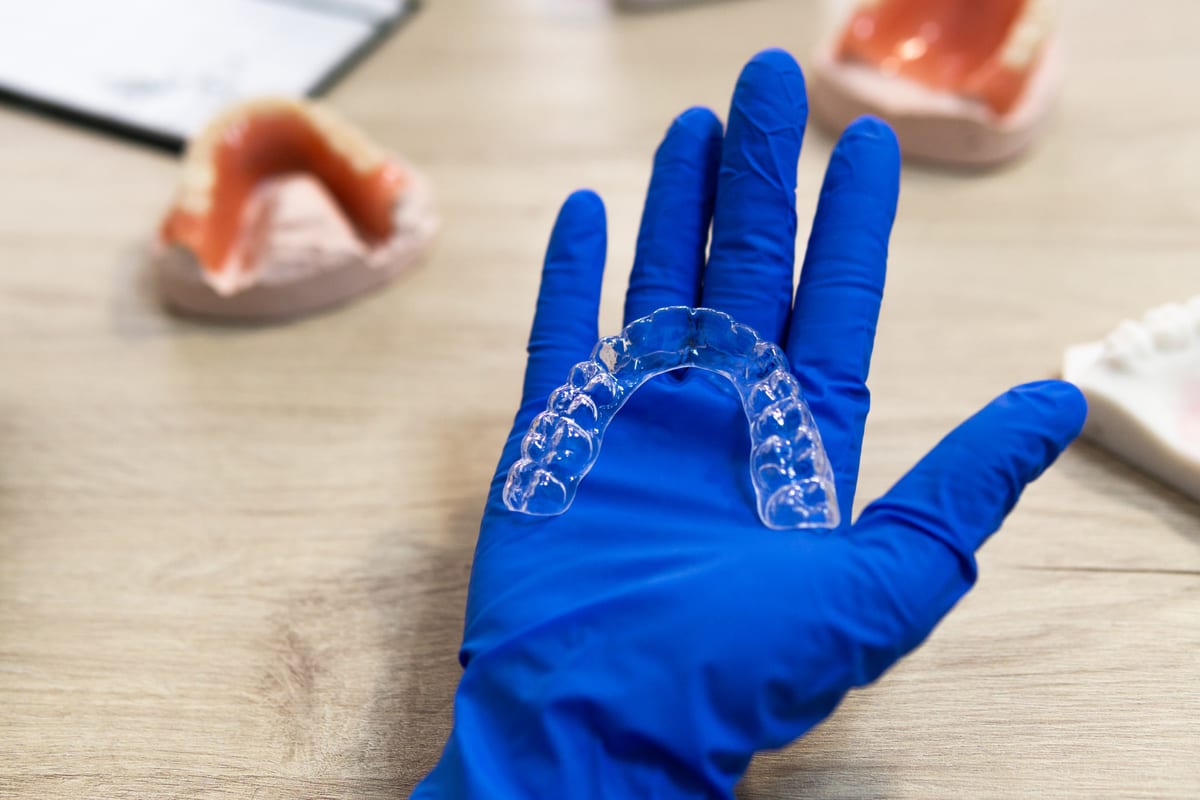
Removable clear retainers look similar to Invisalign trays. You take them out to eat and brush, which makes hygiene easy. Most patients find them comfortable and discreet. These are a popular choice in our Fountain Valley patient community.
Fixed (bonded) retainers are thin wires bonded to the back of your teeth. You can’t remove them yourself. They work around the clock without any effort on your part. However, they do require extra care when flossing.
Your retainer choice depends on your specific bite, your lifestyle, and your compliance history. Dr. Rolfes will review your case and recommend the best option during your post-treatment appointment.
How Long Do You Actually Wear a Retainer?
This is the question every Fountain Valley patient asks. The short answer: indefinitely. The longer answer has two phases that most orthodontic patients move through.
Here’s a typical retainer timeline:
- First 3–6 months: Wear your retainer full-time, day and night. Remove only to eat and brush. This is the highest-risk window for relapse.
- Months 6–12: Your provider may reduce wear to nighttime only. Your bone is still stabilizing during this phase.
- Year 1 and beyond: Nightly wear becomes a long-term habit. Most patients keep this routine indefinitely to protect their results.
Some patients ask if they can stop wearing their retainer after a year or two. The honest answer is no — not if they want to preserve their results. Teeth can and do shift at any age. Nightly wear is a small habit with a huge payoff.
If you ever lose or damage your retainer, contact your provider right away. Even a few days without one can allow noticeable shifting in the early months after treatment.
Caring for Your Retainer the Right Way
A well-maintained retainer lasts longer and stays more hygienic. Poor retainer care can lead to bacterial buildup, odor, and a shorter lifespan for the appliance. A few simple habits go a long way.
- Rinse your retainer with cool water every time you remove it
- Brush it gently with a soft toothbrush — no toothpaste, which is too abrasive
- Soak it in a retainer cleaning solution a few times per week
- Store it in its case when not in use — never wrap it in a napkin
- Keep it away from heat, which can warp the plastic
- Bring it to your checkups so your provider can inspect it
Clear retainers typically last one to three years with proper care. Bonded retainers can last much longer if maintained correctly. Replacing a worn retainer promptly is always better than dealing with shifting teeth.
How Smiles4OC Supports Your Long-Term Results
At Smiles4OC, we believe treatment doesn’t end at the last tray. Dr. Thomas Rolfes and our Costa Mesa team remain your partners through every phase of your orthodontic journey. We track your retention progress and make adjustments when needed.
Our practice also offers a full range of restorative and cosmetic services. If you’re exploring Dental Implants Costa Mesa Fountain Valley or want to learn about Dental Crowns Costa Mesa Fountain Valley, our team can walk you through all your options. We take a whole-mouth approach to your care.
Whether you’re just finishing Invisalign or haven’t worn your retainer in a while, it’s never too late to reconnect with your provider. We can assess any shifting and create a plan to protect your smile going forward.
Your smile is worth protecting. Book Now to schedule your appointment with our team.
Frequently Asked Questions
How soon after finishing Invisalign do I need to start wearing a retainer?
You should start wearing your retainer immediately — the same day your final aligner comes out. The first few days and weeks are the highest-risk period for tooth movement. Delaying retainer use, even briefly, can allow noticeable shifting to begin.
Can I stop wearing my retainer after a few years?
Most providers recommend wearing your retainer nightly for life. Teeth can shift at any age due to natural changes in jaw structure and everyday forces like chewing. Stopping retainer use increases the risk of relapse, even years after treatment is complete.
What should I do if I lose or break my retainer?
Contact your dental provider right away. Even a short gap in retainer use can lead to minor shifting. The sooner you get a replacement, the less likely you are to experience noticeable changes in your alignment.
Is it painful to wear a retainer after Invisalign?
Most patients find retainers comfortable, especially since Invisalign already acclimates you to wearing trays. Some mild pressure is normal when you first start, particularly if there’s been any minor shifting. This discomfort typically fades within a day or two.
How often should I replace my clear retainer?
Clear retainers typically last one to three years depending on how well you care for them. Signs it’s time for a replacement include visible cracks, warping, a poor fit, or persistent odor. Bring your retainer to your regular checkups so your provider can assess its condition.
Share this Article

Dr. Thomas

Dr. Christina

Dr. Tim

Dr. Pravay
Having earned his undergraduate degree in biology from Loyola Marymount University and his Doctor of Dental Surgery from Georgetown University, Dr. Thomas Rolfes has been providing dental care from his Costa Mesa location since 1984. He holds a Fellowship from the Academy of General Dentistry, among memberships from many prestigious organizations. Dr. Christina Do, specializing in laser dentistry, and Dr. Timothy Rolfes, whose passion is community dentistry, also comprise the team, including skilled hygienists, dental assistants, and administrative staff dedicated to helping people in the area fulfill their dental needs. The new addition to our family, Dr. Pravay Padia, brings with him over 10 years of experience in the dental field, with expertise in endodontics and cosmetic dentistry.


