


Are Dental Implants Permanent? Here’s What You Should Know
14
Jul
Are Dental Implants Permanent? Here’s What You Should Know
Losing a tooth often raises questions about appearance, chewing ability, and long-term oral health. One of the most common concerns patients have is whether implant treatment truly lasts for life. The answer is more detailed than a simple yes or no. While the replacement tooth attached to the implant may need maintenance or replacement after many years, the foundation can often remain functional for decades with proper care.
At Smiles4OC, many patients seeking dental implants in Costa Mesa want clear, evidence-based information before making a decision. This guide explains what makes implant treatment long-lasting, what affects its lifespan, and how proper maintenance plays a major role in protecting your investment. You’ll also learn when this treatment is the right choice and why professional evaluation matters before moving forward.
Are Dental Implants Permanent?
The implant itself is designed to be a long-term replacement for a missing tooth, but not every component lasts forever.
The titanium dental implant, which functions as an artificial tooth root, is placed in the jawbone, where it gradually integrates with the surrounding bone. This biological process creates a stable foundation that can remain in place for many years.
However, the visible restoration attached to the implant is subjected to normal chewing forces every day. Like any dental restoration, it may eventually require repair or replacement due to wear.
For many patients, this treatment is considered the closest thing to a permanent tooth replacement option available in modern dentistry.
What Makes an Implant Last So Long?
The long-term success of this treatment depends on biology rather than adhesives or mechanical attachments alone.
- Osseointegration Creates a Strong Foundation
The biggest reason implants are so durable is osseointegration. During healing, the surrounding bone naturally fuses with the implant surface. This process, also called bone integration, creates exceptional stability because the implant becomes part of the jaw rather than simply resting above it.
Unlike removable appliances, this foundation does not shift while eating or speaking.
- Healthy Bones Support Long-Term Success
A healthy jawbone is essential before treatment begins.
If bone volume has decreased after tooth loss, a bone graft may be recommended before placement. Rebuilding lost bone improves long-term support and increases the likelihood of lasting stability.
Which Parts Last Forever and Which May Need Replacement?
Every implant restoration contains multiple components.
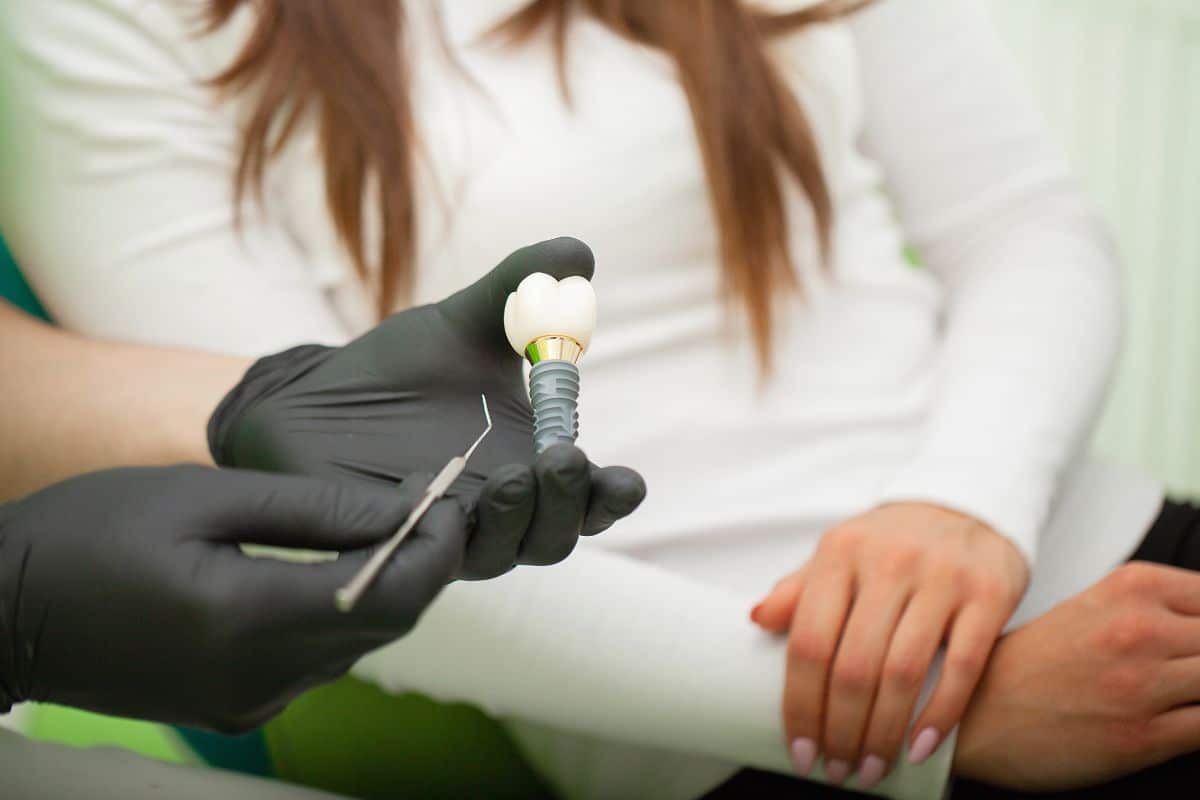
- Implant fixture placed inside the jaw
- Implant abutment connecting the implant to the restoration
- Custom dental crown that looks like a natural tooth
The implant fixture often lasts the longest. The crown usually experiences years of biting pressure and may eventually require replacement depending on daily wear, grinding habits, or accidental damage. Replacing a crown is much simpler than replacing the entire implant.
What Can Shorten the Life of an Implant?
Many people assume implants fail because they “wear out.” In reality, most long-term complications relate to oral health or lifestyle factors.
- Poor Oral Hygiene
Although implants cannot develop cavities, surrounding gum tissue can become inflamed. Without consistent cleaning, bacteria may damage the supporting bone.
- Teeth Grinding
Nighttime grinding places excessive pressure on restorations and surrounding structures. Patients who clench their teeth often benefit from wearing a protective night guard.
- Smoking
Smoking reduces blood supply during healing and increases the likelihood of complications involving the gums and supporting bone.
- Delaying Tooth Replacement
Waiting too long after losing a tooth allows the jawbone to shrink naturally. This gradual bone loss may make treatment more complex later.
Is Everyone a Candidate for Long-Lasting Implant Treatment?
A comprehensive examination determines whether this option is appropriate.
Your dentist typically evaluates:
- Bone quantity and density
- Overall oral health
- Existing medical conditions
- Gum health
- Bite alignment
- Smoking history
- Oral hygiene habits
Patients sometimes worry they have waited too long after losing a tooth.
Fortunately, many people can still qualify after additional procedures such as bone grafting to rebuild lost support.
Does the Healing Process Affect How Long It Lasts?
Yes, following post-treatment instructions significantly influences long-term outcomes. After implant placement, the body enters the implant healing process.
During this healing period, bone gradually surrounds the implant until complete stability develops. Depending on individual healing, this process commonly takes several months before the final restoration is attached.
Rushing treatment before complete healing may compromise long-term success.
What Are the Long-Term Benefits Beyond Replacing a Tooth?
Many patients initially focus on filling the gap in their smile. The long-term advantages often extend much further.
- Improved Jawbone Health
Unlike bridges or removable dentures, implants help preserve the jawbone by stimulating the surrounding bone during chewing.
- Better Bite Function
Because the implant is anchored within bone, it restores bite strength more naturally than removable options.
- A Natural Appearance
The custom restoration blends with surrounding teeth, creating a natural-looking smile that feels secure during everyday activities.
- Protecting Neighboring Teeth
Unlike traditional bridges, adjacent healthy teeth usually do not require reshaping for support.
Can Implant Treatment Be Delayed?
Many people postpone replacing a missing tooth because they are not in pain. While treatment is not always an emergency, delaying it may allow the surrounding bone to shrink over time. Neighboring teeth can also drift into the space, creating bite changes that may complicate future treatment.
An evaluation helps determine whether immediate care is necessary or whether treatment can safely wait.
How Can You Help Your Implant Last for Decades?
Most long-lasting restorations share the same maintenance habits.
- Brush twice every day.
- Clean around the implant daily using floss or recommended cleaning aids.
- Attend regular professional examinations and cleanings.
- Avoid chewing ice or extremely hard objects.
- Wear a night guard if you grind your teeth.
- Address gum inflammation early before it affects the supporting bone.
These simple habits contribute significantly to long-term oral health and implant longevity.
Why Professional Planning Matters Before Implant Treatment
Successful implant therapy begins long before the procedure itself. Digital imaging, bite evaluation, bone assessment, and careful treatment planning help determine the ideal position for the replacement tooth. Proper planning improves function, appearance, and long-term predictability.
Smiles4OC also offers comprehensive restorative services that may complement implant treatment when additional care is needed, allowing patients to receive coordinated treatment under one roof.
Before making a decision, book an appointment to learn whether this treatment fits your needs and oral health goals.
Restore Your Smile with Confidence at Smiles4OC
Replacing a missing tooth is about more than appearance. It protects chewing ability, supports jawbone health, and helps preserve your overall oral function for years to come. While no dental restoration can be guaranteed to last forever, implants remain one of the most reliable long-term options available when properly planned and maintained.
If you’re considering dental implants in Costa Mesa or you live nearby in Newport Beach, Huntington Beach, Fountain Valley, Irvine, or Santa Ana, the team is here to answer your questions. Visit our dental office in Costa Mesa or contact us and learn whether implant treatment is the right choice for your smile.
Frequently Asked Questions
How Long Does An Implant Usually Last?
The implant itself can often function for decades when supported by healthy bone and proper oral hygiene. The attached crown may eventually need replacement due to normal wear. Regular dental visits allow your dentist to monitor every component and recommend maintenance before small issues become larger concerns.
Is Implant Treatment Painful?
Most patients report less discomfort than they expected. Local anesthesia keeps the procedure comfortable, and mild soreness afterward is usually manageable with recommended medications and home care. A consultation helps explain the process, answer concerns, and determine the most appropriate treatment approach.
Can Older Adults Receive Implant Treatment?
Age alone rarely prevents someone from receiving implants. Overall health, bone quality, and gum condition are much more important factors. A comprehensive examination allows the dentist to evaluate whether implant treatment is appropriate and discuss any additional procedures that may improve long-term success.
What Happens If I Lose Bone After A Tooth Is Removed?
Bone naturally begins shrinking after tooth loss. Depending on the amount of bone available, your dentist may recommend rebuilding the area before placing the implant. Scheduling an evaluation early gives you more treatment options and helps preserve long-term oral function.
How Often Should Implants Be Checked?
Implants should be examined during routine dental visits, usually every six months unless your dentist recommends a different schedule. Professional cleanings and regular evaluations help detect gum inflammation, bite changes, or restoration wear early, helping protect your investment for many years.
Share this Article

Dr. Thomas

Dr. Christina

Dr. Tim

Dr. Pravay
Having earned his undergraduate degree in biology from Loyola Marymount University and his Doctor of Dental Surgery from Georgetown University, Dr. Thomas Rolfes has been providing dental care from his Costa Mesa location since 1984. He holds a Fellowship from the Academy of General Dentistry, among memberships from many prestigious organizations. Dr. Christina Do, specializing in laser dentistry, and Dr. Timothy Rolfes, whose passion is community dentistry, also comprise the team, including skilled hygienists, dental assistants, and administrative staff dedicated to helping people in the area fulfill their dental needs. The new addition to our family, Dr. Pravay Padia, brings with him over 10 years of experience in the dental field, with expertise in endodontics and cosmetic dentistry.


